Most brands that hold back from AI product photos aren't worried about the technology. They're worried about what it says about them. The fear is simple: "If we use AI, our brand will look cheap."
That fear is reasonable. It is also aimed at the wrong thing, and waiting on it is the riskier choice. Here's why.
Where the "AI is cheap" feeling comes from
It comes from what people have actually seen: warped hands, melted logos, plastic skin, products that are almost the right product. Those images do look cheap, and shoppers notice.
But look at what made them look cheap. It wasn't the fact that a computer produced them. It was that nobody controlled the result. The product changed shape, the label turned to nonsense, the scene didn't make sense, and the image went out anyway.
A badly lit photo from a rushed shoot looks cheap too. Nobody concludes that cameras are cheap.
What actually makes an image look cheap
Whoever makes the image, shoppers react to the same four things:
- The product isn't the product. Wrong shape, wrong colour, a label that doesn't read. This is the one that costs sales, because the shopper stops trusting the listing.
- The light and shadows don't agree. A product floating over a background it doesn't belong to.
- Every image looks like everyone else's. The same backdrop and the same pose that every competitor is also using.
- Nobody checked. The image went live without anyone asking, "Is this good enough to put our name on?"
None of these is an AI problem. All of them are quality-control problems, and they exist in traditional photography too. AI just makes it possible to skip the checking, because making images got so fast.
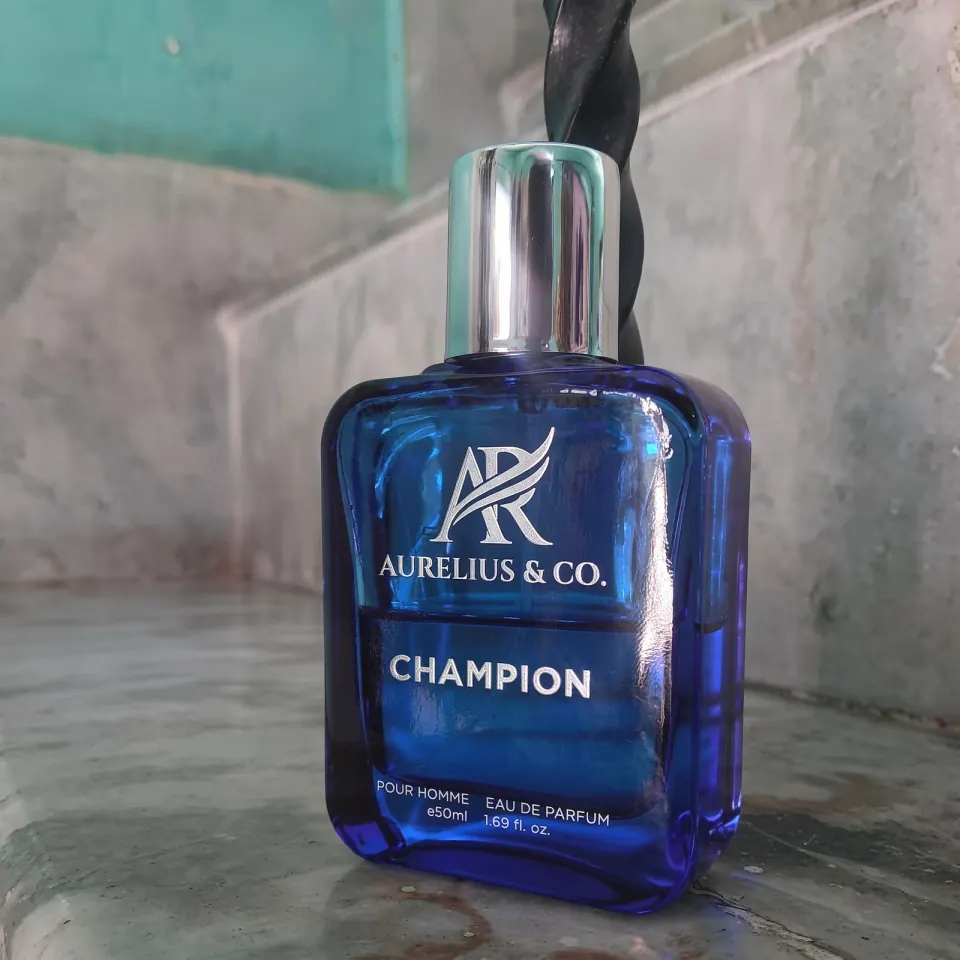
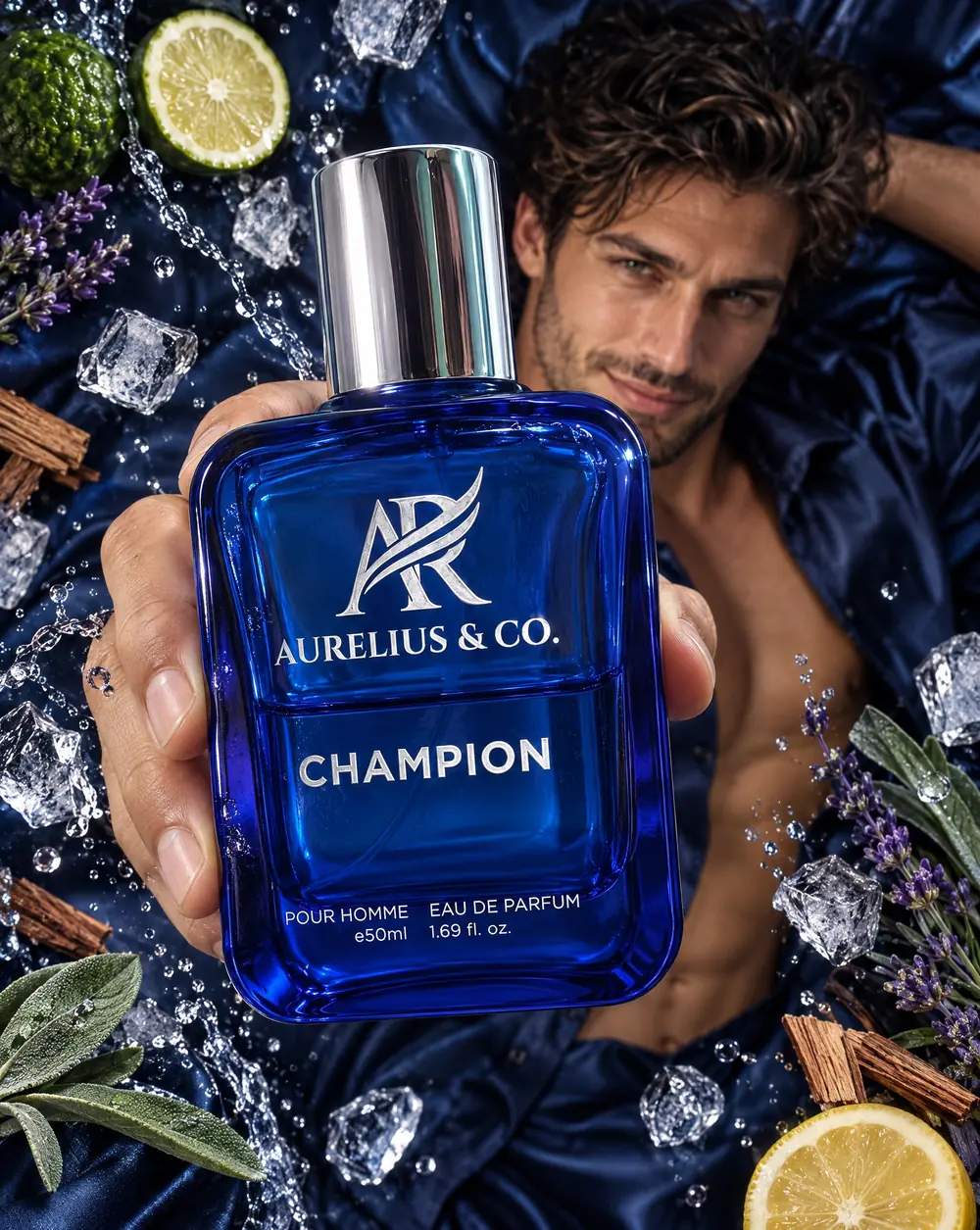
Why it's not cheap in the way that matters
"Cheap" means two different things, and brands often mix them up. Cheap-looking is a quality problem, and it's worth avoiding. Low-cost is a benefit, and it's worth having. Good AI product images should be low-cost without looking cheap.
The real cost is in what you can't do
Think about what a traditional shoot makes hard:
- Every new product waits for the next shoot. Launches slip while photos get arranged.
- Seasons and festivals need new images, fast. Diwali, Black Friday and gifting season arrive on a fixed date. A studio schedule doesn't move for them.
- Each marketplace wants a different set. Amazon, Flipkart, Meesho and your own store all ask for different images and shapes.
- Testing is expensive. If every new image costs a shoot, you can't try three ideas and keep the one that sells.
A brand that can produce a good image in minutes can answer all of these. A brand that can't will find itself watching competitors do it. That is where the cost sits, and it grows every month.
Diwali and Black Friday are only weeks away. If your festive images aren't ready yet, that's the real cost of waiting: not a worse photo, but a missed sale.
Why "sooner or later" is already here
Shoppers don't ask how an image was made. They ask whether it shows the product honestly and whether it makes them want it. Competitors are asking the same question of their own images, and many have already started using AI for the parts of the job that don't need a studio.
We're not going to give you a number for how many brands have switched, because we'd be guessing. What we can say with confidence is the direction. Making images is getting faster and cheaper every year, and the brands that learn to control AI images will move quicker than the ones that don't. Marketplaces are already writing rules for AI-generated images, like Amazon's tag for listing images that show AI-generated people, which tells you they expect sellers to be using them.
Starting late doesn't save you the work. It just means learning on a tighter deadline.
Already using a platform? You don't have to take our word for it. Run the same product through both tools and compare the results side by side. Look closely at the logo, the text and the fine details, because that's where the difference shows.
How to use AI without looking cheap
If your worry is real, treat it as a checklist:
- Start with product-only images. Backgrounds, scenes and catalog cards carry the least risk, and your main marketplace image should stay a clean product shot anyway.
- Judge every image against your real product. Put the result next to your own photo. If the shape, colour or label differs, don't use it.
- Read the text on the image. If the label or any printed words are garbled, reject it. No exceptions.
- Choose a look on purpose. Pick a style that fits your brand, rather than taking whatever comes out first.
- Keep a person in charge. AI makes the draft. Someone on your team decides what ships.
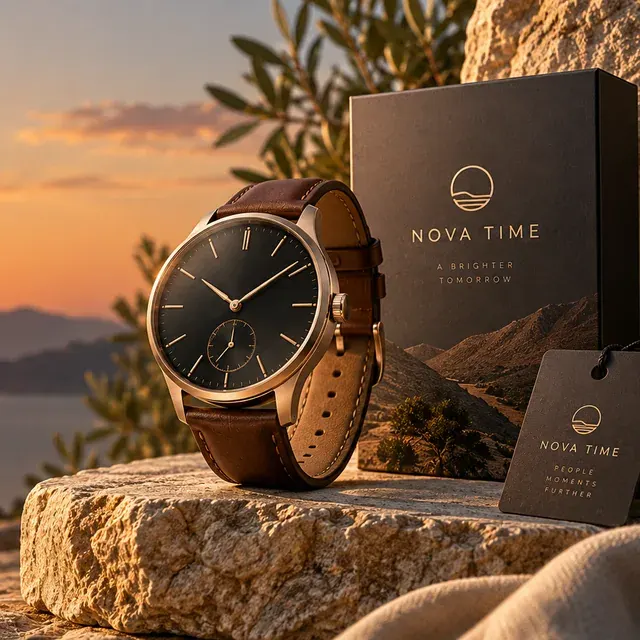
What this looks like with Oranokai
Oranokai is built around that checklist rather than around speed alone. You start from your own product photo, and the product in the result is meant to stay your product: the shape, colour and label. Our E-Com Catalog makes a full listing set from one upload, and Studio quality is for single hero and lifestyle shots. New accounts get one free Studio quality image to try, so you can judge the result on your own product before you decide anything.
Check every image before you publish, as you would with any photographer. We built Oranokai so your real product stays the source of truth, and only the scene around it changes.
The takeaway
AI images look cheap when they're made carelessly. They look professional when they're made carefully, and carefulness was never something only a camera could provide.
The question for your brand isn't whether you'll use AI images. It's whether you'll learn to do it well now, while it's a choice, or later, when it's a requirement.
This article reflects Oranokai's view as of October 2026.